We use necessary cookies to make our website work. We’d also like to set analytics cookies that help us make improvements to our website. For more detailed information about the cookies we use, read our Cookie Policy.

Health and Safety
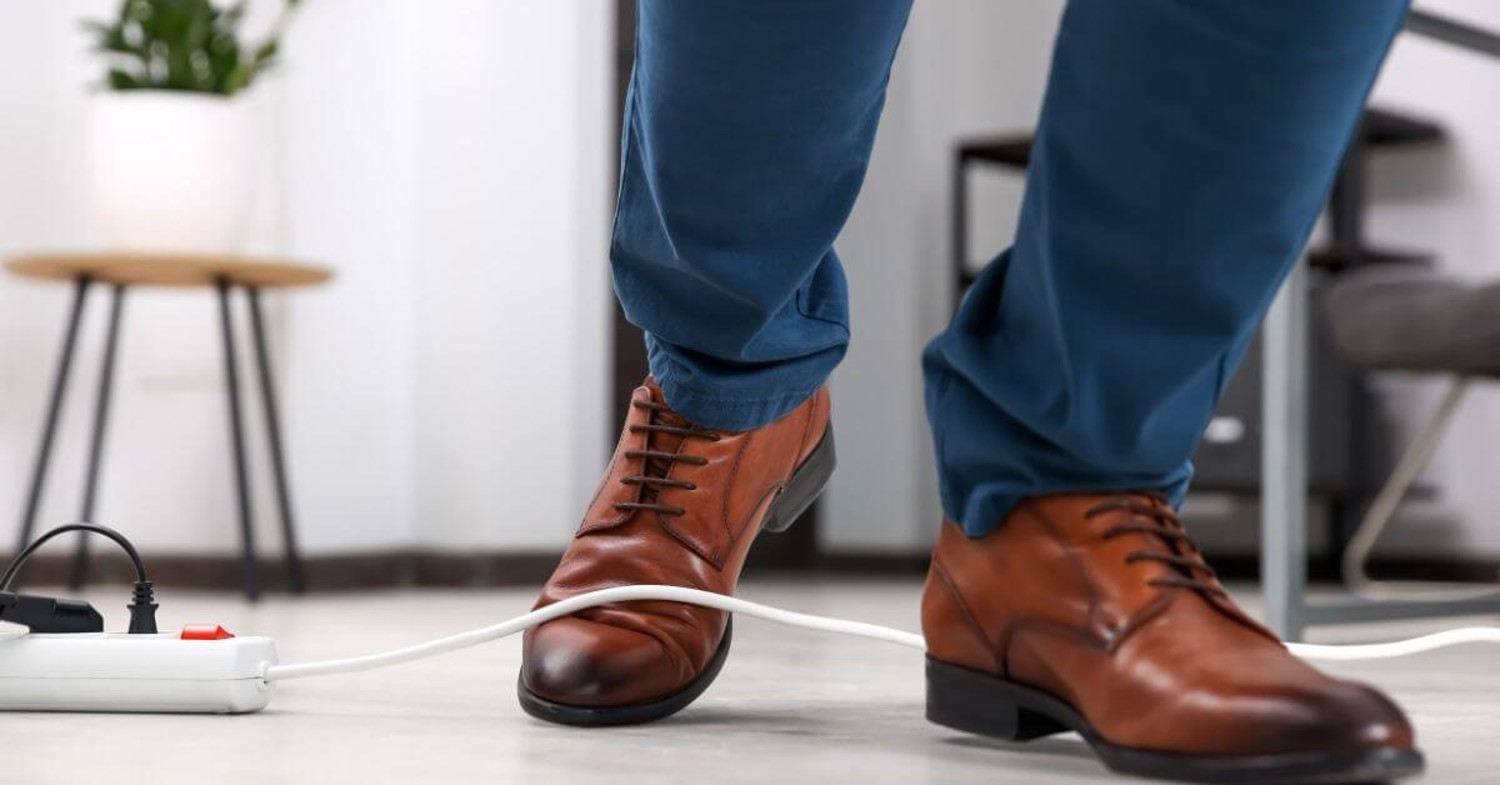
Community Learning and Skills (CLS) is committed to ensuring that all learners can study in a safe, healthy and supportive environment. We want to make sure our buildings, equipment and learning activities are safe for everyone.
As a learner, you also have a responsibility to keep yourself and others safe. You should follow staff instructions, use equipment properly and report any concerns, hazards or accidents promptly.

British Values and Prevent
Our core values include democracy, the rule or law, individual liberty and mutual respect and tolerance. These values promote equality, celebrate diversity and fair treatment. We aim to develop awareness, respect for others and contribute to a safe and inclusive learning community.
Read our British Values Statement
CLS embraces the Prevent strategy. It focuses on keeping people safe from harm by raising awareness of radicalisation, extremism and terrorism. This is done by promoting vigilance and reporting concerns where necessary.

Your Responsibilities
You should:
- Respect others' rights to feel safe
- Not harm, threaten or abuse others
- Help create a positive learning environment
If you have any concerns about your safety or wellbeing or the safety or wellbeing of others
Please report this to your tutor/member of staff immediately, or contact us here or call us on 03000 41 22 22 and ask to speak to one of our Designated Safeguarding Leads (DSLs).
Designated Safeguarding Leads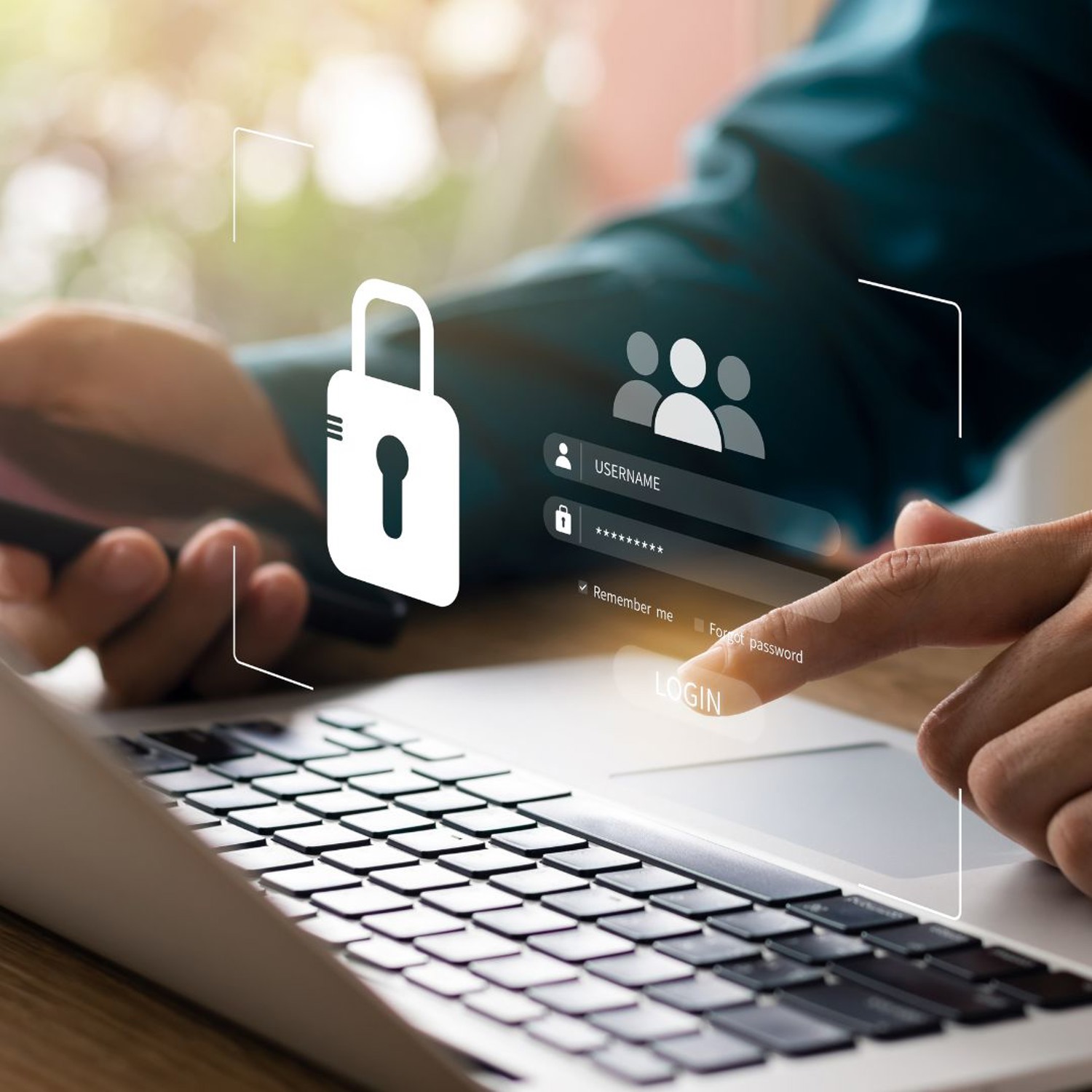
Safer Learning and Online Safety
Community Learning and Skills is committed to providing a safe, inclusive and supportive environment for all learners.
You have the right to:
- Learn in a safe and respectful space, both online and in person
- Be treated fairly
- Be protected from harm, abuse, extremism and radicalisation
Types of Abuse (Not Acceptable):
- Physical - hitting, pushing, harming
- Emotional - bullying, harassment, intimidation
- Sexual - unwanted contact or inappropriate behaviour
- Financial - stealing or pressuring for money
- Neglect - ignoring needs or support
- Discrimination - unfair treatment
Stay Safe Online
Follow these tips to protect yourself online:
- Protect personal information - don't share sensitive details
- Use strong passwords - mix letters, numbers and symbols
- Be cautious online - people may not be who they say they are
- Think before you click - avoid suspicious links
- Check privacy settings regularly
- Think before sharing - it may stay online forever
- Tell someone if worried
- Keep devices updated
- Back up your data
- Use two-step verification for extra security